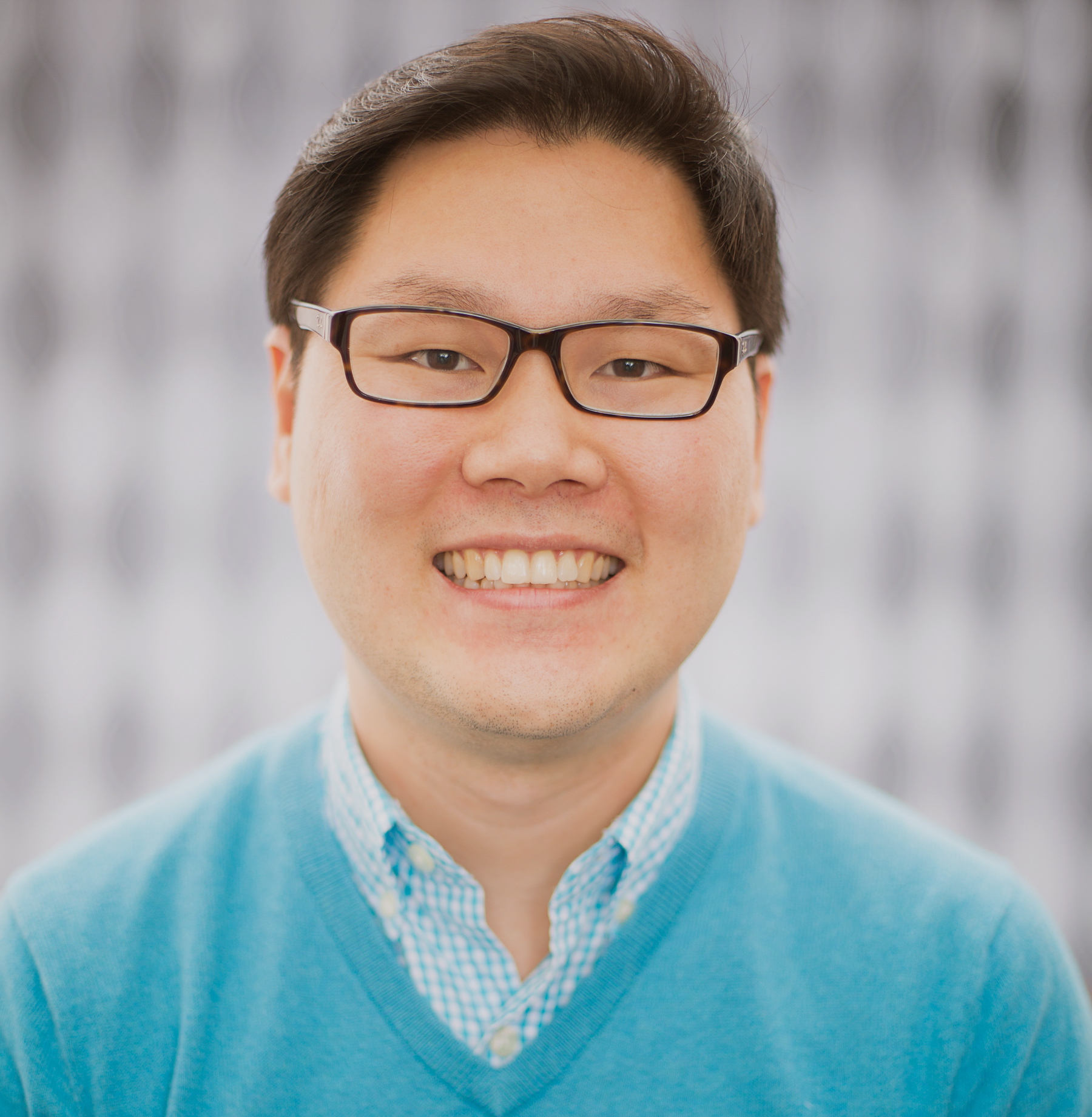
About Me

I am an Assistant Professor in the College of Information Studies with a joint appointment in the College of Education, at the University of Maryland, College Park.

Background

Since my undergraduate years, I have always been interested in the intersection of education and technology. I received my BA from Brown University where I created an independent major in Educational Technology. I also began my teaching experience as a 6th grade mathematics teacher in the Providence Breakthrough program. I taught in the program for 3 summers and also served as a year-round coordinator there. After graduation I worked as a computer science teacher at the Lincoln School for Girls and then moved on to an administrative position as a Director of Technology at the Mayfield Junior School. During this time I completed my MA in Educational Technology from Columbia University in their hybrid program (part online, part on campus).

In my doctoral studies, I sought to explore how educational technologies could aid in broader goals of education reform in the United States. I received my PhD from the University of Southern California in Urban Education Policy. I was advised by Dominic Brewer, who is an economist and expert on education governance and reform, and former vice president at RAND. However, I combined my focus on education reform with my passion for new technologies. I had the honor of taking much of my coursework at the Annenberg School for Communication and am fortunate to count faculty such as Janet Fulk and Tara McPherson as advisors during my time there.

Research Interests

My core research interest is understanding the design, implementation, and evaluation of new media for learning and education. My work often traverses the entire spectrum of ed-tech issues: from understanding digital youths and their use of new media, to designing prototype learning technologies combining HCI methods and learning theory, and evaluating the impact of using new technologies in formal (e.g. K-12 schools, higher education) and informal (e.g. libraries, home) environments.

My research interests can be broadly categorized into four general areas:

Digital Youth, Social Media, New Media, & Learning
One way to gain deeper insight into the learning potential of new media tools is to observe how our most avid users and media creators – today’s youth – adopt and design new technologies. In my research, I examine how young people take up new tools such as social media, and how this participation influences outcomes such as their relationship development and literacy skills. From this work, I make linkages back to learning shedding light on how we might utilize new media tools to enhance learning for youths.

I am the principal investigator on an NSF-funded project called Sci-Dentity. In this project we are using design-based research to create an after-school program at school libraries in Washington DC public schools. In the program, we engage middle school students in new media activities such as reading, watching, and writing science fiction stories, engaging in science-infused media, and sharing creative work on a specially designed social network site, sci-dentity.org. The goal is to explore how these interest-driven, media-rich, activities might help under-represented youth to identify more personally with science. In each iteration of the project, we are exploring new issues related to learning such as the vital role of new literacies (such as search and remix), processes related to deep identification and interest development, and how school libraries might bridge informal and formal learning.

Open Education/Online Education
Online learning (and its precursor, distance learning) has been around for quite awhile. However, online education has only just recently exploded as a mainstream option for learners (MOOCs being a high profile example). I am currently partnering with one of the foremost open education platforms – the Peer 2 Peer University (P2PU). With Dr. Brian Butler, we are applying analytics strategies on platform data from P2PU to better understand how user-generated, massively open education works in P2PU.

Some questions we are exploring include: what motivates learners to contribute courses and take courses in P2PU?  How can the platform be designed to foster better MOOC learning experiences, such as creating learning groups, or using badges to motivate learning behaviors?  And what types of participatory literacies (skills) do learners need to become valued contributors to this online learning community, and how might we cultivate those skills in members? This work is began in 2012 and is supported through funding from the National Science Foundation. In addition, I have conducted research on the how online learning is being implemented in K-12 schools such as cyber charter schools and state-led initiatives.

Learning Analytics
I am also interested in the growing opportunities in the field of learning analytics. As new technologies are utilized in education settings (games, online platforms etc.), we are increasingly able to model and understand how learning occurs across different environments using data culled from these platforms. As mentioned before, I am applying analytics in the P2PU platform and also other online learning datasets such as the popular Q&A platform, Stack Exchange, to explore how social learning occurs in these settings.

I am also partnering with the Washington DC Public Schools to examine their blended learning/flipped classroom initiative. The goal of this project is to combine data from students’ progress in a district-wide math software program, with student data collected at the district-level, to develop models that explore whether blended learning might benefit students over time.

Education Reform & Policy Issues
These various research streams also touch upon issues of education reform. I am ultimately interested in understanding how new technologies can be designed and implemented to improve students’ access to education, rich learning experiences, and participation in their broader world. I have written on traditional education reform issues (such as class size and K-12 teachers). I also conduct research that seeks to integrate understanding of education policy and reform with technology. For example, I have written about how K-12 education policy structures conflict with new developments in social media and online learning. I have also conducted studies on access for youth populations, such as the digital divides that exist surrounding young people’s adoption of social media.

My long-term hope is to inform ideas to improve educational opportunities and environments for learners, by leveraging the opportunities of new technologies. My work sometimes touches on design (creating the technology and learning environments), understanding users (with a focus on digital youths), and the broader societal contexts (e.g. social inequalities, education institutions) within which learning happens with technology.